
PH4CWP
| Denomination: | 'PH4CWP' |
|---|---|
| Botanical Name: | Zea mays |
| Applicant/Holder: |
Pioneer Hi-Bred International, Inc. 8305 NW, 62nd Avenue P.O. Box 7060 Johnston, Iowa 50131 United States of America |
| Breeder: |
Russell Fox, Pioneer Hi-Bred International, Inc., Dallas Center, United States of America |
| Agent in Canada: |
Pioneer Hi-Bred Production Company Site 600 PO Box 12, RR#6 3Km N on Hwy 41 on Llewellyn Road Saskatoon, Saskatchewan S7K 3J9 Canada Tel: 306-203-4895 |
| Application Date: | 2022-05-31 |
| Provisional Protection: | 2022-05-31 |
| Application Number: | 22-10950 |
| Grant of Rights Date: | 2026-02-03 |
| Certificate Number: | 7625 |
| Grant of Rights Termination Date: | 2046-02-03 |
Variety Description
Variety used for comparison: 'PH1V5F'
Summary: Anthesis for ‘PH4CWP' occurs very late in the season whereas it occurs late in the season for ‘PH1V5F'. The angle between the leaf blade and the stem of ‘PH4CWP' is very small whereas that for ‘PH1V5F' is small. The silks of ‘PH4CWP' have a weak intensity of anthocyanin colouration whereas those of ‘PH1V5F' have absent or very weak intensity of anthocyanin colouration. Including the kernels, the ear of ‘PH4CWP' has a larger diameter than that of ‘PH1V5F'.
Description:
PLANT: inbred yellow variety, medium ratio of height of insertion of peduncle of upper ear to plant height, anthesis occurs very late in season, silk emergence occurs late in season
STEM: absent or very slight degree of zig-zag
LEAF BLADE (JUST ABOVE UPPER EAR): intermediate degree of undulation of margin, very small angle with stem, straight
TASSEL: few primary lateral branches, medium density of spikelets on middle third of main branch, short main axis above lowest lateral branch, long main axis above highest lateral branch
LATERAL BRANCHES: straight, very small angle with main axis, short
GLUME: absent or very weak intensity of anthocyanin colouration at base, absent or very weak intensity of anthocyanin colouration at apex and middle
ANTHER (ON MIDDLE THIRD OF MAIN BRANCH OF TASSEL): weak intensity of anthocyanin colouration
EAR: weak intensity of anthocyanin colouration of silks, conico-cylindrical shape, very many rows of grain, medium intensity of anthocyanin colouration on glumes of cob
KERNEL: intermediate type, yellowish white on top, orange on dorsal side
Origin & Breeding History: ‘PH4CWP' was developed by Pioneer Hi-Bred International, Inc. using a double haploid plant breeding method. The variety resulted from a cross between two inbred lines, designated ‘PH1V5F' and ‘PH24ST', conducted in Puerto Vallarta, Mexico in 2012. The F1 generation underwent haploidization, followed by chromosome doubling and selfing, as part of a field experiment conducted in Arica, Chile, which was planted in November 2012. Resulting DH1 lines were self pollinated and harvested in bulk. ‘PH4CWP' was selected in 2013 based on tassel size, pollen production, germination ability, stalk lodging resistance, late season plant health, yield in hybrid combination, grain quality, as well as disease and insect resistance. Breeder seed was established at the DH2 in 2013.
Tests & Trials: The comparative trial for ‘PH4CWP' was conducted in Coteau-du-Lac, Quebec during the 2022 growing season. The trial was planted in a RCB design with 3 replicates. Each replicate consisted of one 3 metre long row with 76 cm between the rows. With approximately 20 plants per row, there was a total of 60 plants per variety. Measured characteristics were based on a minimum of 30 measurements per variety. Mean differences were significant at the 5% confidence probability level based on a paired Student's T-tests. Results were supported by the official technical examination report number 202200408, purchased from the Plant Variety Protection Office in Washington, District of Columbia, USA.
Comparison table for 'PH4CWP' with reference variety 'PH1V5F'
Ear diameter (including kernels) (cm)
| 'PH4CWP' | 'PH1V5F' | |
|---|---|---|
| mean | 4.57 | 4.38 |
| std. deviation | 0.18 | 0.16 |
Click on image for larger view
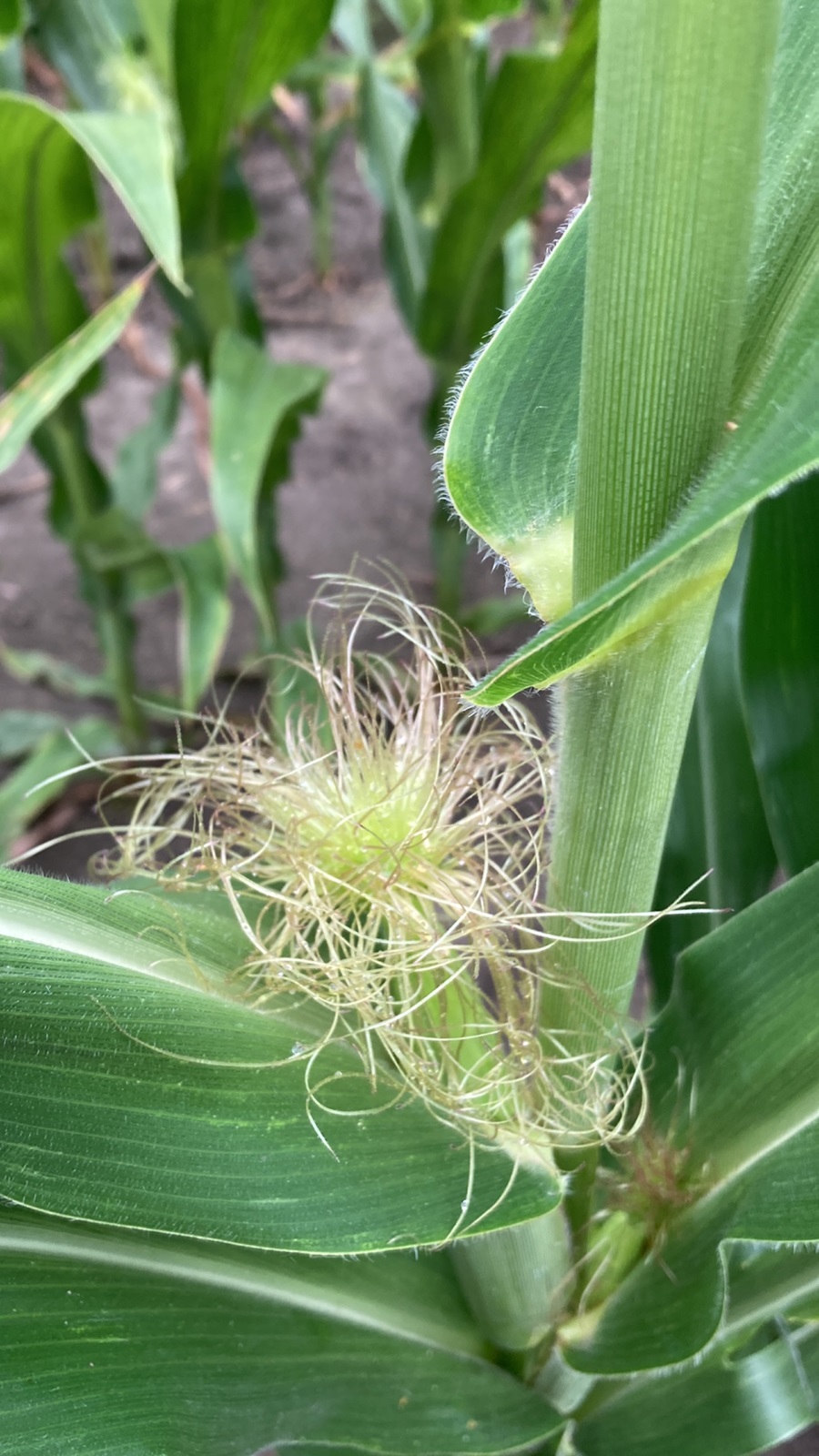
Corn: 'PH4CWP'
Click on image for larger view
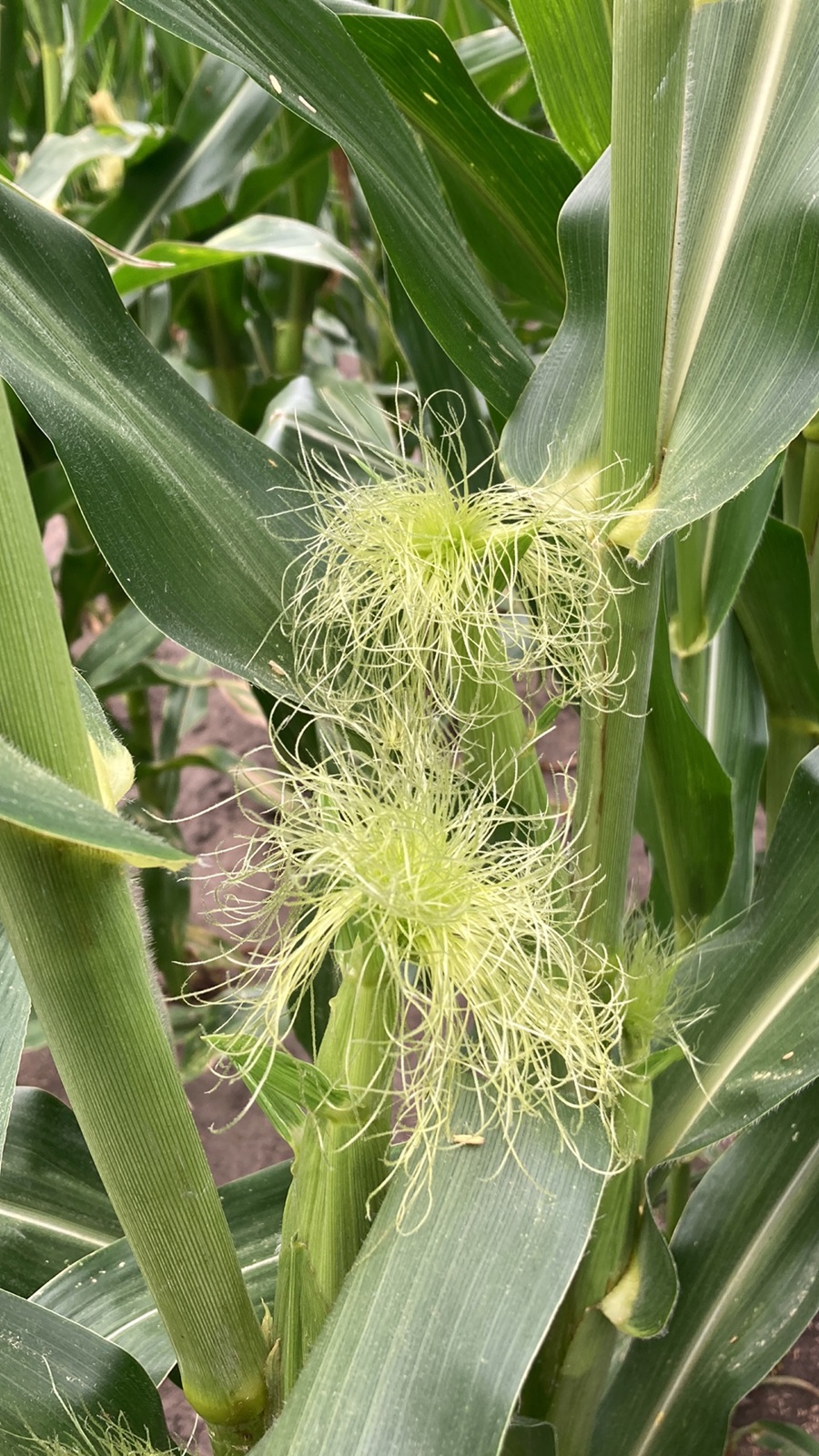
Corn: Reference variety 'PH1V5F'
Click on image for larger view
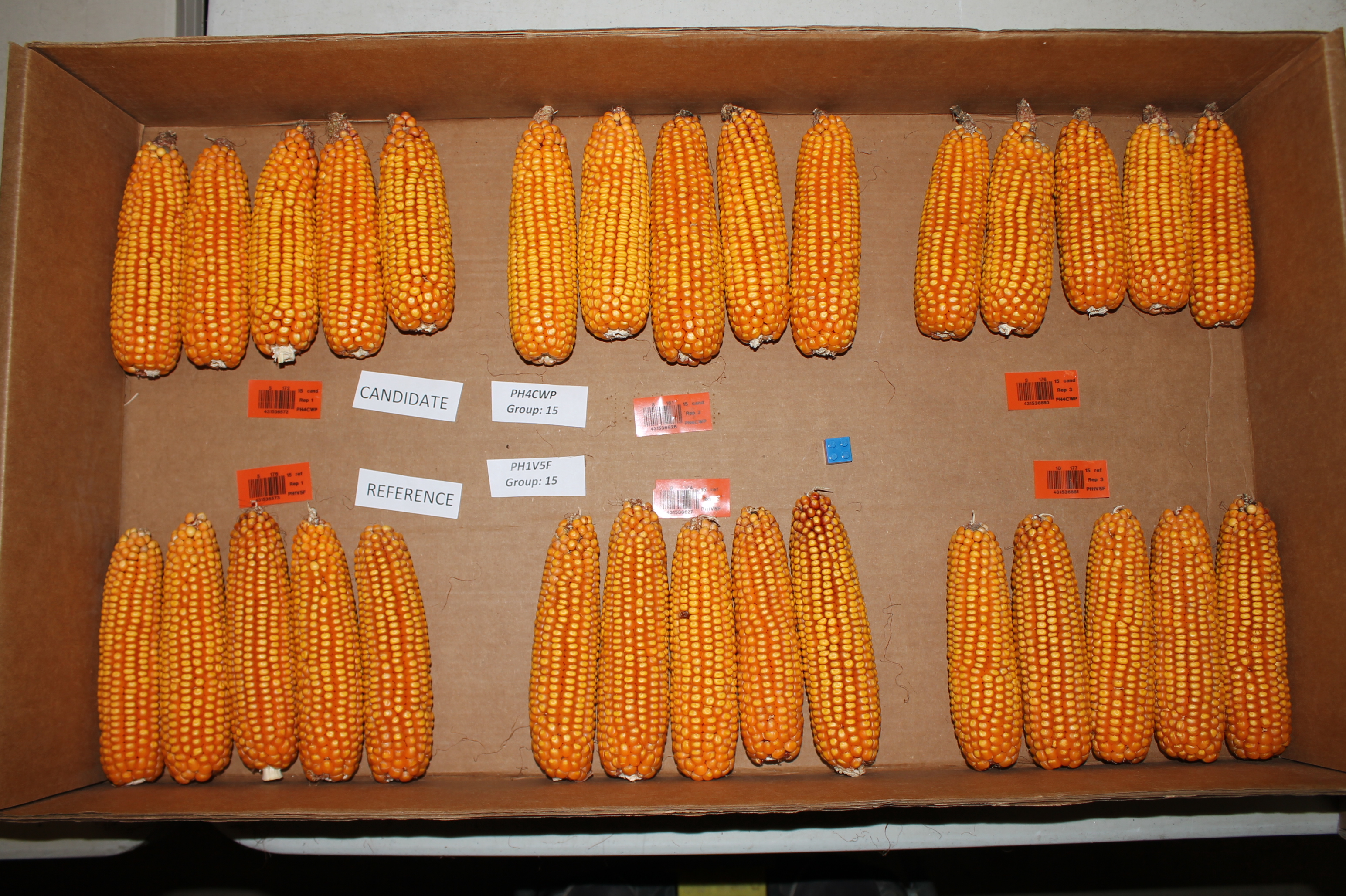
Corn: 'PH4CWP' (top) with reference variety 'PH1V5F' (bottom)
- Date modified: